Trezor Hardware Login – A Secure Way to Access Your Crypto Wallet
Dec 19, 2025
Introduction
As cryptocurrencies continue to gain global adoption, the importance of secure access to digital assets has never been greater. Online threats such as phishing, malware, and hacking attempts are increasingly sophisticated, making traditional password-based logins risky. This is where Trezor hardware login stands out as a powerful and reliable security solution.
Trezor hardware wallets are designed to give users full control over their private keys by keeping them offline and protected within a physical device. The hardware login process ensures that access to your wallet is only possible with the actual Trezor device in hand. In this blog, we will explore how Trezor hardware login works, why it is more secure than conventional methods, and how users can follow best practices to protect their crypto holdings.
What Is Trezor Hardware Login?
Trezor hardware login refers to the authentication process that requires a physical Trezor device to access a cryptocurrency wallet. Unlike traditional logins that rely on usernames and passwords stored on centralized servers, Trezor uses hardware-based authentication combined with cryptographic verification.
There is no online account associated with a Trezor wallet. Instead, your private keys are generated and stored securely inside the hardware device. Every login and transaction must be confirmed directly on the device screen, ensuring complete transparency and control.
How Trezor Hardware Login Works
The Trezor hardware login process is intentionally designed to be both user-friendly and extremely secure. It typically takes place through the official wallet management application known as Trezor Suite.
Step 1: Connect the Trezor Device
To begin the login process, connect your Trezor hardware wallet to your computer or compatible mobile device using a USB cable. Always use a trusted, malware-free device and avoid public or shared systems.
The physical presence of the hardware wallet is required, meaning that unauthorized users cannot access your funds remotely.
Step 2: Open Trezor Suite
Once connected, launch Trezor Suite. This application acts as the interface between your Trezor hardware wallet and the blockchain. It allows you to manage assets, view balances, and initiate transactions without exposing private keys.
Trezor Suite will automatically detect the connected device and guide you through the hardware login process.
Step 3: PIN Verification
After detection, the user is prompted to enter a PIN. The PIN entry method used by Trezor is unique and highly secure. A randomized keypad appears on your screen, while the actual PIN positions are confirmed on the Trezor device itself.
This method protects against:
Keylogging software
Screen capture attacks
Remote access threats
Incorrect PIN attempts trigger time delays, making brute-force attacks impractical.
Step 4: Optional Passphrase Authentication
For users who require advanced security, Trezor supports passphrase protection. A passphrase works as an additional secret layered on top of the recovery seed, effectively creating hidden wallets.
During hardware login, entering the correct passphrase is required to access the associated wallet. Without it, even someone with the recovery seed cannot reach the funds.
Why Trezor Hardware Login Is More Secure
The main advantage of Trezor hardware login is that private keys never leave the device. This eliminates many common vulnerabilities found in software wallets and online platforms.
Key security benefits include:
Offline key storage
No centralized user accounts
Mandatory physical confirmation
Protection from phishing websites
Even if your computer is compromised, attackers cannot access your wallet without the hardware device and correct credentials.
Using Trezor Hardware Login for Transactions
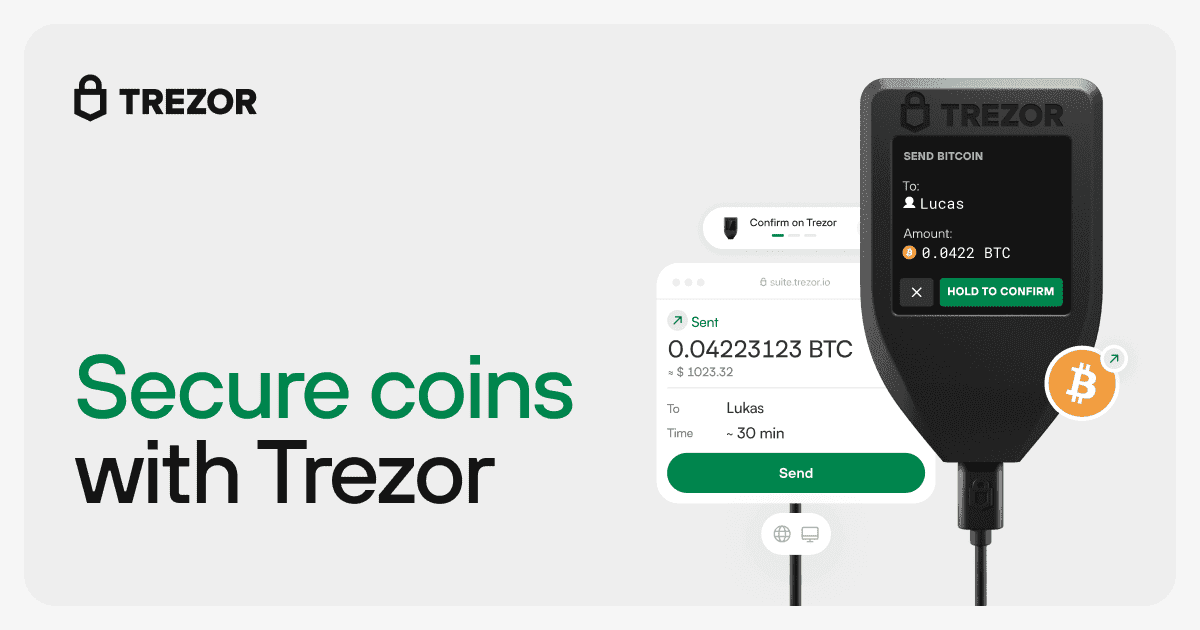
Every transaction initiated through Trezor Suite must be verified on the hardware device. The transaction details, including recipient address and amount, are displayed on the Trezor screen for confirmation.
This process ensures:
Protection against address manipulation
Full transparency before approval
Reduced risk of unauthorized transfers
The hardware login acts as a gatekeeper, preventing transactions without explicit user approval.
Common Hardware Login Issues and Prevention
Some users may encounter issues during Trezor hardware login, such as device connection problems or incorrect PIN entries. Most issues can be avoided by following simple practices:
Keep Trezor firmware updated
Use original cables and ports
Store PIN and passphrase securely
Double-check inputs before confirming
If the device is lost or damaged, wallet access can be restored using the recovery seed.
Best Practices for Safe Hardware Login
To maintain maximum security when using Trezor hardware login:
Only use official Trezor software
Never share your PIN or passphrase
Store the recovery seed offline
Verify all actions on the device screen
Avoid using public computers
Security depends on both strong technology and responsible user behavior.
Conclusion
Trezor hardware login offers one of the most secure methods available for accessing and managing cryptocurrency wallets. By combining offline key storage, physical device authentication, PIN verification, and optional passphrase protection, Trezor minimizes the risks associated with digital asset management.
For users who value true ownership and long-term security, Trezor hardware login provides peace of mind and control in an increasingly digital financial world. Understanding and properly using this login process is an essential step toward safeguarding your cryptocurrency assets.